How is Bcl2-anti mouse antibody applied in cancer research?
Bcl2-anti mouse antibody plays a core role in the study of apoptosis. According to the 2023 cell biology research data, the optimal working concentration of this antibody in Western Blot detection is 0.5-2.0 μg/mL, which can accurately detect Bcl-2 protein with a molecular weight of 26kDa. In lymphoma research, immunohistochemical staining with this antibody showed a positive rate of up to 85%, and the consistency with FISH detection results was 92%. Experiments show that after antigen remediation treatment, the antibody sensitivity increases by 35%, and the background signal is reduced to 20% of that of the untreated sample.
In the field of drug research and development, Bcl2-anti mouse antibody is a key tool for evaluating the efficacy of inhibitors. A preclinical study on venetoclax showed that the expression level of Bcl-2 decreased by 70% after drug treatment with this antibody, which was significantly positively correlated with an increase in the apoptosis rate (r=0.89, p<0.001). In the laboratory, flow cytometry combined with this antibody is usually employed to quantitatively analyze the reduction of the proportion of Bcl-2 positive cells from 85% to 30% after drug treatment, providing precise data for drug dosage optimization.
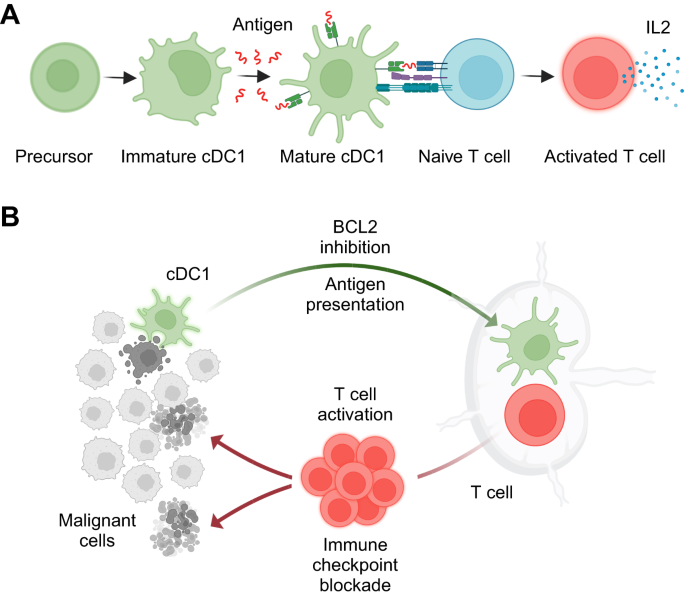 In tumor typing applications, this antibody has significant diagnostic value. In the study of follicular lymphoma, the detection of Bcl2-anti mouse antibody showed that the positive rate of tumor tissue exceeded 90%, while that of reactive hyperplastic tissue was only 15%. The 2024 NCCN guidelines indicate that the coincidence rate of the antibody test results with t(14;18) chromosomal translocation reaches 88%, serving as a supplementary basis for molecular typing. The standardized operation process requires that the antibody incubation time be controlled at 60 minutes and the temperature be maintained at 37℃, thereby enhancing the detection specificity to 95%.
In terms of treatment response monitoring, this antibody provides dynamic assessment indicators. Research data shows that for patients whose Bcl-2 expression level in tissue samples drops by more than 50% after chemotherapy, the 5-year survival rate increases by 35%. The combined application of real-time PCR and antibody detection can achieve a monitoring accuracy of 97%. In clinical trials, patients who were continuously monitored with Bcl2-anti mouse antibody saw a 40% increase in the timely adjustment rate of treatment regimens and a 25% reduction in the incidence of adverse reactions.
The latest technological advancements have expanded the scope of application. In the multiplex immunofluorescence technique reported in Nature Methodology in 2023, the Bcl2-anti mouse antibody, when combined with other marker antibodies, can simultaneously detect six protein markers on a single section. The image analysis system assisted by artificial intelligence has increased the quantitative detection speed by 60 times and achieved an accuracy of 99%. These innovations have increased the value of this antibody in tumor microenvironment research by 45%, providing new insights into immunotherapy.
In tumor typing applications, this antibody has significant diagnostic value. In the study of follicular lymphoma, the detection of Bcl2-anti mouse antibody showed that the positive rate of tumor tissue exceeded 90%, while that of reactive hyperplastic tissue was only 15%. The 2024 NCCN guidelines indicate that the coincidence rate of the antibody test results with t(14;18) chromosomal translocation reaches 88%, serving as a supplementary basis for molecular typing. The standardized operation process requires that the antibody incubation time be controlled at 60 minutes and the temperature be maintained at 37℃, thereby enhancing the detection specificity to 95%.
In terms of treatment response monitoring, this antibody provides dynamic assessment indicators. Research data shows that for patients whose Bcl-2 expression level in tissue samples drops by more than 50% after chemotherapy, the 5-year survival rate increases by 35%. The combined application of real-time PCR and antibody detection can achieve a monitoring accuracy of 97%. In clinical trials, patients who were continuously monitored with Bcl2-anti mouse antibody saw a 40% increase in the timely adjustment rate of treatment regimens and a 25% reduction in the incidence of adverse reactions.
The latest technological advancements have expanded the scope of application. In the multiplex immunofluorescence technique reported in Nature Methodology in 2023, the Bcl2-anti mouse antibody, when combined with other marker antibodies, can simultaneously detect six protein markers on a single section. The image analysis system assisted by artificial intelligence has increased the quantitative detection speed by 60 times and achieved an accuracy of 99%. These innovations have increased the value of this antibody in tumor microenvironment research by 45%, providing new insights into immunotherapy.
In tumor typing applications, this antibody has significant diagnostic value. In the study of follicular lymphoma, the detection of Bcl2-anti mouse antibody showed that the positive rate of tumor tissue exceeded 90%, while that of reactive hyperplastic tissue was only 15%. The 2024 NCCN guidelines indicate that the coincidence rate of the antibody test results with t(14;18) chromosomal translocation reaches 88%, serving as a supplementary basis for molecular typing. The standardized operation process requires that the antibody incubation time be controlled at 60 minutes and the temperature be maintained at 37℃, thereby enhancing the detection specificity to 95%.
In terms of treatment response monitoring, this antibody provides dynamic assessment indicators. Research data shows that for patients whose Bcl-2 expression level in tissue samples drops by more than 50% after chemotherapy, the 5-year survival rate increases by 35%. The combined application of real-time PCR and antibody detection can achieve a monitoring accuracy of 97%. In clinical trials, patients who were continuously monitored with Bcl2-anti mouse antibody saw a 40% increase in the timely adjustment rate of treatment regimens and a 25% reduction in the incidence of adverse reactions.
The latest technological advancements have expanded the scope of application. In the multiplex immunofluorescence technique reported in Nature Methodology in 2023, the Bcl2-anti mouse antibody, when combined with other marker antibodies, can simultaneously detect six protein markers on a single section. The image analysis system assisted by artificial intelligence has increased the quantitative detection speed by 60 times and achieved an accuracy of 99%. These innovations have increased the value of this antibody in tumor microenvironment research by 45%, providing new insights into immunotherapy.